Know-How
With the experience gained by our founding partners from various engineering applications since 2008, Almiva Engineering has shaped its own design, production, assembly, integration, and quality culture. Our company operates in the field of high-pressure hydraulic / pneumatic systems.
Special processes have been developed to apply product-specific operations during production, assembly, and testing stages. Thanks to years of expertise in surface roughness, dynamic and static sealing solutions, and gas behavior specific to components, special testing and assembly equipment has been developed to obtain the correct product and ensure reliable delivery.
By conducting long-term testing and validations on fluid mechanics both in-house and in the field, Almiva has gained the capability to rapidly design and manufacture similar systems. Thus, fast prototypes can be developed in accordance with customer requirements.
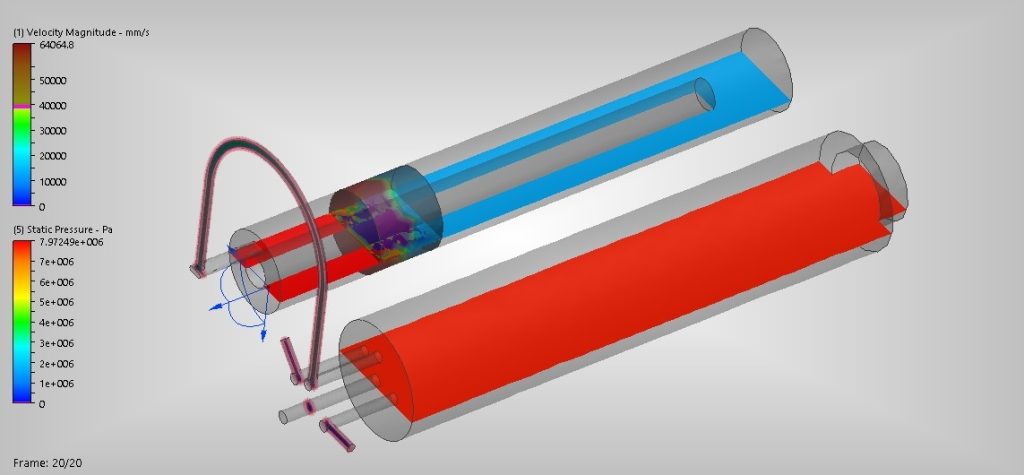
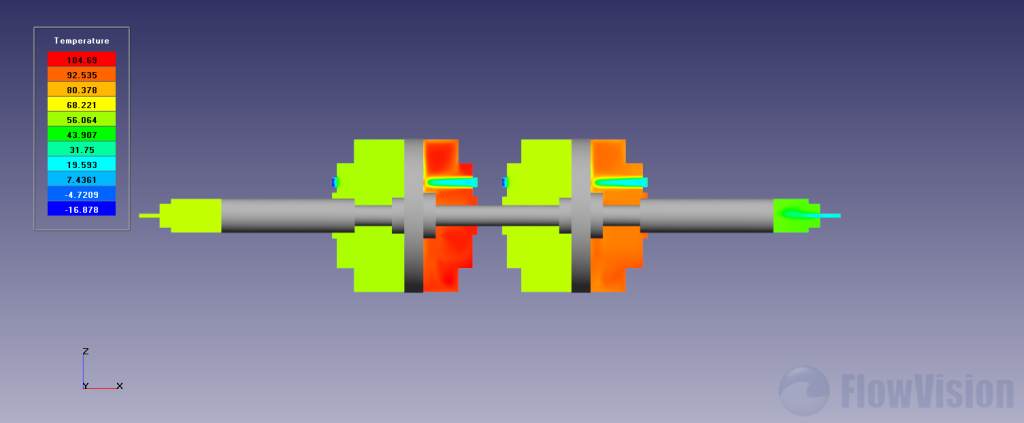
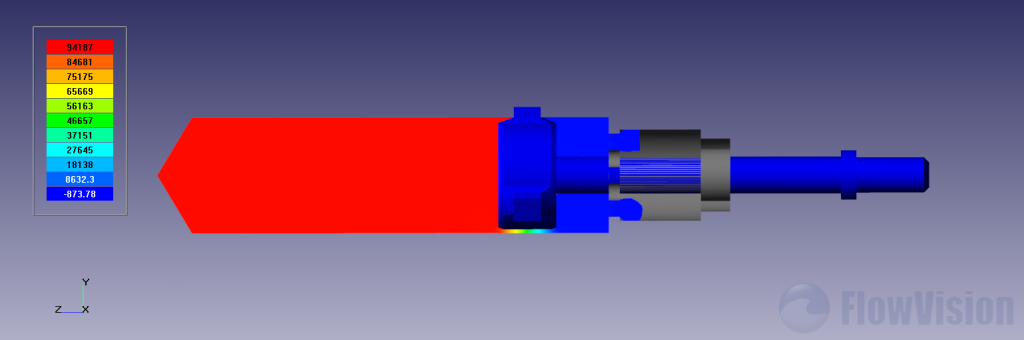
Static sealing element groove selections such as O-Ring, X-Ring, or V-Ring may seem simple but are highly important. Surface roughness inside the groove should not exceed Ra 1.6. In addition to tolerances, chamfers, radii, and surface treatments on mating surfaces directly affect sealing performance, as seen in analyses. During assembly, the diameter form through which the O-Ring passes is extremely important to prevent deformation, as shown in the analyses.
The gaps between the sealing element, groove, and surfaces vary according to pressure, fluid, and sealing material, making them critical dimensions. For O-Rings, the use of PTFE (Teflon) backup rings is recommended in applications above 120 bar pressure. Surfaces that may be relatively rough for hydraulic systems are of great importance in high-pressure pneumatic systems.
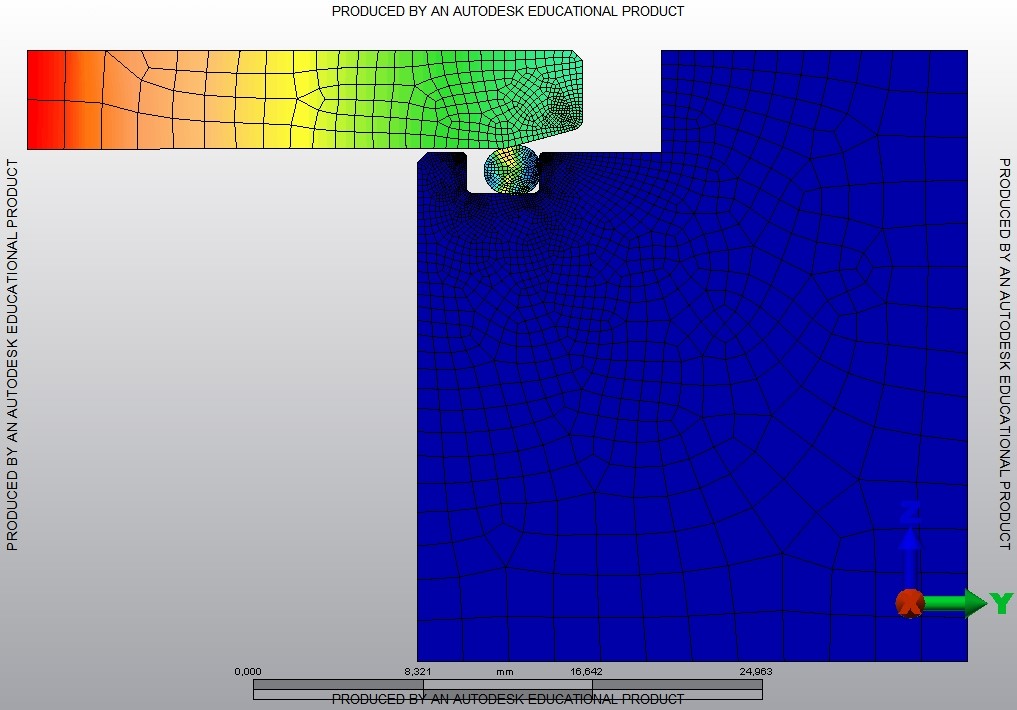
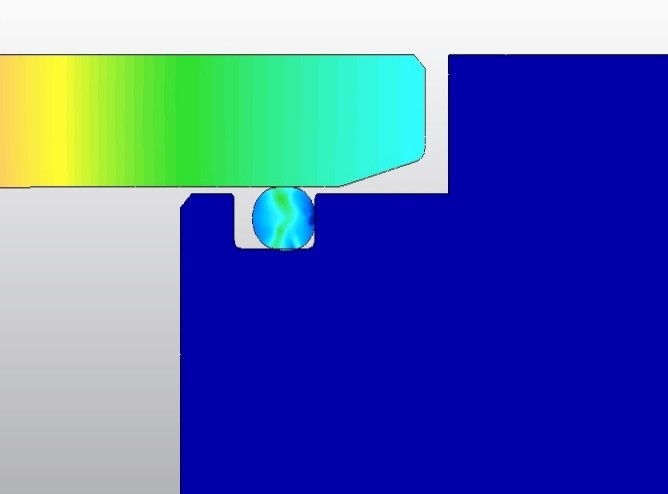
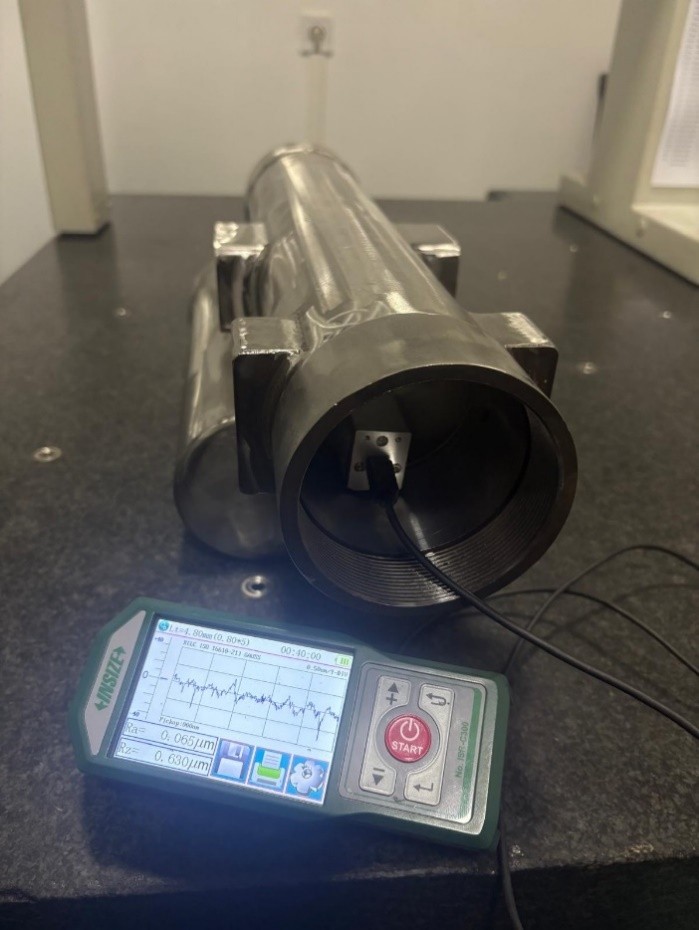
The surface precision and dimensions of the surfaces where sealing elements operate vary in every application. Therefore, Almiva Engineering, which develops special processes for its products, has rewritten all documentation and quality control processes for each product and monitors them starting from the raw material stage. Surface roughness is more critical in high-pressure pneumatic applications compared to standard hydraulic applications. For this reason, Almiva has developed applications to achieve surface roughness values below Ra 0.1 and Rz 1.0 for precision surfaces.
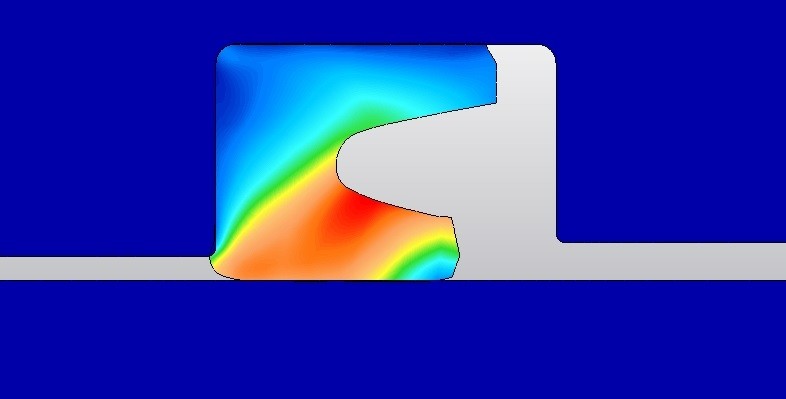
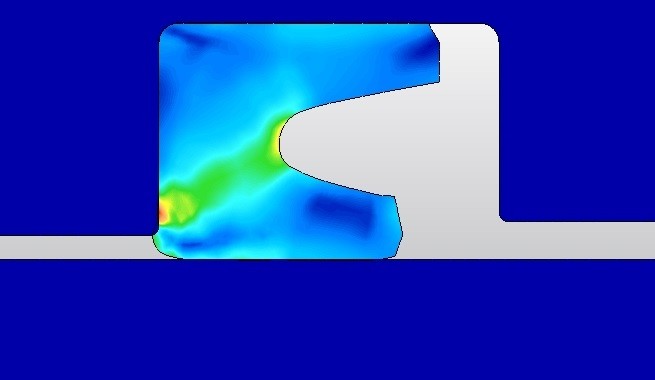
The groove dimensions and tolerances of dynamic sealing elements are designed according to pressure, speed, temperature, and fluid properties by our expert team. Groove surface roughness should not exceed Ra 1.6. On sliding surfaces, roughness values up to Ra 0.2 may be acceptable. Extrusion gaps are highly critical, as also seen in analysis results. Polishing and radii on these surfaces should be carefully inspected during control stages. Extrusion gaps vary directly according to the sealing element form, raw material, and pressure. Therefore, allowing tolerance for gaps at high pressures is important. Depending on the design, in cases of large diameters, high speeds, or insufficient bearing element length, extrusion gaps can be eliminated by transitioning to bronze wiper caps or bronze-welded piston applications with surface-to-surface contact.
During the design phase of high-pressure systems, computer-aided static and dynamic analyses are used to reduce the difference between the initial prototype and the final product, enabling projects to reach results quickly with expertise that also includes production, testing, and integration processes.
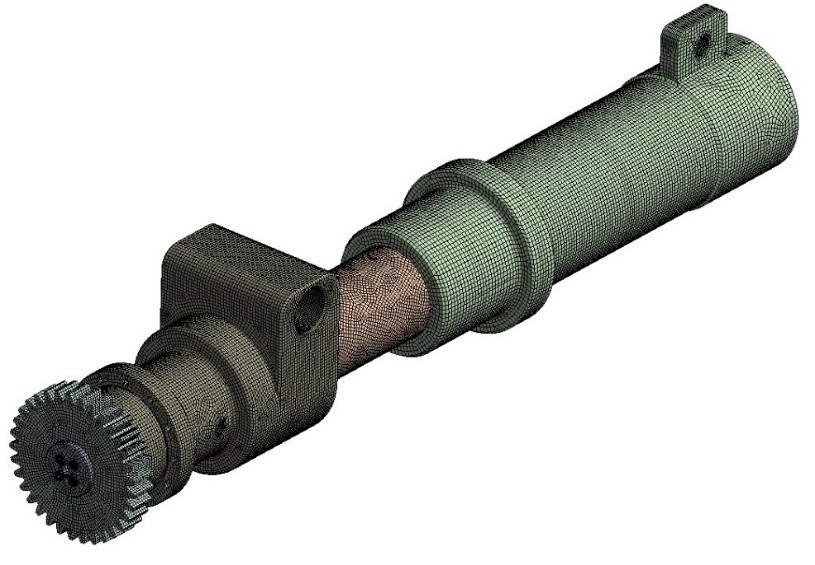
The Almiva Engineering team aims to develop original systems according to corrosion resistance, pressure, temperature, speed, and sealing characteristics in their designs in order to obtain products suitable for all requirements. In this way, Almiva aims to correctly analyze environmental conditions and product requirements to produce the most accurate prototype. Our design limits for Pneumatic Systems are as follows;
Pressure: max. 250 barg
Speed: max. 15 m/s
Temperature: -40 … +85 °C (-50 … +200 °C optional)
Fluid: Nitrogen or Dry Air
Flow Rate: max. 120 lt/min
For Hydraulic Systems, pressure can reach up to 720 bar.
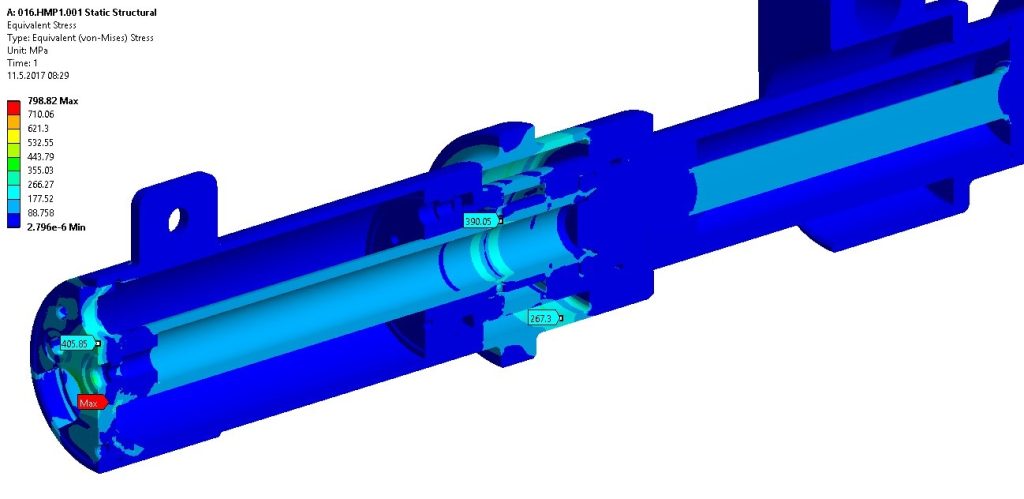
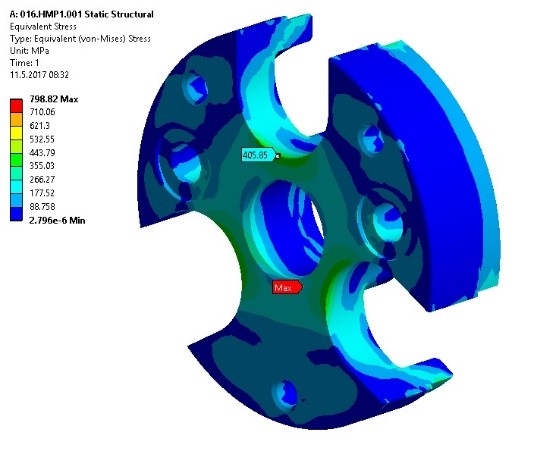
Almiva’s main objective, through teamwork with the right engineering teams to correctly interpret stresses resulting from static and dynamic analyses, is to develop products that can operate for many years instead of structures that become inefficient under the name of corporatization, to be a sustainable company, and to accelerate processes.